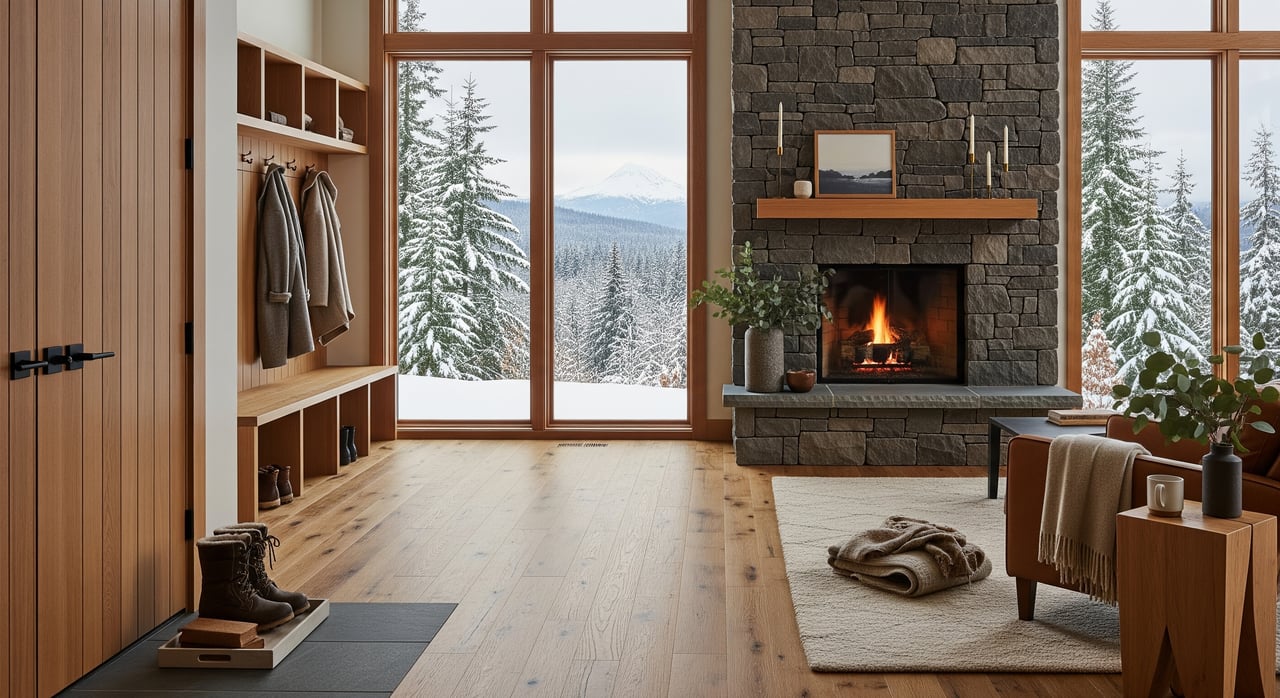
Thinking about listing your North Bend home in winter but worried about gray skies, rain, and fewer buyers? You are not alone. With the right prep, you can turn wet-season challenges into stand-out moments that help your home shine. In this guide, you will get a clear, local plan for safety, curb appeal, lighting, and photo timing that fits Snoqualmie Valley weather and Q1 buyer behavior. Let’s dive in.
Understand North Bend’s winter market
Weather reality in Snoqualmie Valley
North Bend sits at the base of the Cascades, so winter often brings frequent rain, persistent cloud cover, and occasional snow or ice in town. Surfaces stay damp, which means moss and algae can build up on roofs, decks, and walkways. Clear breaks between storms can quickly open up dramatic views of Mount Si and the surrounding foothills. Check National Weather Service Seattle for forecast discussions as you plan showings and photography.
Why list in Q1
Spring typically has the most buyer traffic, but winter and early Q1 buyers are often more motivated and there is usually less competition. You may see fewer total showings per week, yet the people who do come through are often ready to act. Prepping in late fall and early winter sets you up to catch the best weather windows for photos and a timely launch in January through March.
Elevate exterior safety and curb appeal
Roof, gutters, and drainage
Winter buyers pay close attention to how a home handles water. Clean gutters and downspouts and verify they discharge away from the foundation with extenders or splash blocks. Clear roof valleys of debris and safely remove moss buildup. If you have a sump pump, test it and confirm any battery backup works. Keep documentation handy for recent roof, gutter, and drainage maintenance.
Walkways, driveways, and decks
Wet surfaces in North Bend can get slippery fast. Remove moss and algae from paths, steps, and decks using the right cleaner for wood or concrete. Repair loose pavers and uneven edges that could trip visitors. Have a plan for snow or ice days, including pre-treating walkways with products labeled safe for concrete and landscaping. Sweep up residue after a thaw to protect plants and hardscapes.
Lighting and the front entry
Short daylight hours make lighting a must. Check every exterior bulb and add path or step lights where needed. Keep the entry clear, dry, and welcoming with heavy-duty mats, a boot tray, and fresh touches like a cleaned or repainted front door. Replace worn house numbers and dated fixtures. Clean exterior windows to reduce water spots and streaks so views read crisp.
Flood awareness and disclosures
Parts of the Snoqualmie Valley are flood-prone. Review King County flood hazard maps to understand local risk and reference your property’s history. If your home has had prior water events, keep remediation records and inspection notes available. Follow Washington seller disclosure rules and provide documentation to your listing agent so buyers feel informed and confident.
Make the interior feel warm, bright, and dry
Heating, ventilation, and water systems
Service your furnace or heat pump and replace filters before showings. Aim for a comfortable temperature during visits, typically in the 68–72°F range. If you have a fireplace, have it cleaned and, when safe, consider lighting it during showings to highlight a cozy focal point. Confirm your water heater and any sump pump are functioning, and address signs of moisture like odors or stains.
A layered lighting strategy
Gray winter skies make lighting a key part of staging. Use a mix of ambient lighting from ceiling fixtures, task lighting from lamps, and accent lighting to make features pop. Choose warm white bulbs around 2700–3000 K and increase lumen output in the kitchen, living room, primary bedroom, and entry. Add small uplights to brighten dim corners and avoid heavy window treatments that block valuable daylight.
Staging and sensory cues
Your goal is to project a dry, welcoming atmosphere. Layer soft textures with area rugs and neutral throws. Keep decor seasonal but simple, avoiding anything heavy or distracting. Clear out wet-weather gear from the entry and offer an umbrella stand. Neutralize odors, carpet clean where needed, and air out storage spaces so everything smells fresh. If you have mudroom storage, stage it to show where daily gear can go during rainy months.
Plan showings and photos around the weather
Showing logistics during storms
Be flexible with scheduling so buyers can safely adjust to storm conditions. Provide clear instructions for parking and the best approach to the home, especially if some side streets puddle. Inside, protect floors with door mats and runners and set up a boot tray to manage water. Stock a few towels for quick cleanup and keep walkways pre-treated during icy spells.
Photography timing for views
Mountain and valley views can shift by the hour in North Bend. When possible, schedule exterior and view shots during a break in the weather, typically mid-to-late morning through mid-afternoon when clouds may thin. If a clear day is not likely soon, consider a twilight session to capture warm exterior lighting and cozy interiors. For cloudy-day interiors, turn on all lights and have your photographer use HDR or exposure blending to keep images bright and even. Clean windows inside and out to reduce glare and condensation.
A simple photo checklist
- Clean windows and remove water streaks and cobwebs.
- Clear decks and patios, especially near view-facing areas.
- Stage outdoor seating if the weather allows.
- Share backup dates with your photographer to catch a clear break.
A practical winter prep timeline
Late fall: get ahead of water
- Service HVAC and replace filters.
- Clean gutters and downspouts and extend discharge away from the foundation.
- Remove roof and deck moss and fix drainage issues.
- Update exterior bulbs and add path lighting if needed.
Early winter: refine and stage
- Deep clean and deodorize carpets, closets, and storage areas.
- Clean interior and exterior windows.
- Finalize staging, focusing on warmth and light.
- Pre-book a photographer with flexible dates for clear-day shots.
Early Q1: time the market window
- Monitor weather forecasts through NWS Seattle to time photos and launch.
- If the forecast shows a clear window, capture exterior and view photos, then list soon after.
- Prepare a virtual tour option for days with severe weather so motivated buyers can still engage.
Quick-reference checklist
Exterior
- Clean gutters and downspouts and extend discharge away from the foundation.
- Remove moss and algae from roof, decks, and walkways; repair damaged surfaces.
- Test exterior lighting and add path or step lights where needed.
- Review King County flood hazard maps and gather any flooding or remediation records.
Entry and access
- Keep the path to your front door safe and non-slip.
- Set out heavy-duty mats and a boot tray and stock sand or ice melt safe for concrete and plants.
- Provide a showing note with parking tips and the best route to the home.
Interior
- Service heating and change filters; set a comfortable showing temperature.
- Neutralize odors, air out damp areas, and deep clean carpets and rugs.
- Maximize lighting with warm white bulbs and layered lamps; remove heavy window treatments.
Photography and marketing
- Book a photographer who can pivot with weather.
- Plan for one clear-day exterior with views and a twilight session.
- Prepare a virtual tour for storm days.
Disclosures and documentation
- Gather HVAC service records, sump pump maintenance logs, and any water remediation documents.
- Complete required Washington seller disclosures with your listing agent.
Why preparation pays off in North Bend
A clear, dry, and well-lit presentation helps buyers feel confident about your home’s condition through the wet season. Thoughtful timing for photos and showings can also reveal the views and light that make Snoqualmie Valley special. With a solid plan, you can reach motivated Q1 buyers and compete with fewer listings on the market.
Ready to create a winter-smart listing plan tailored to your property? Reach out to Taeya Harle for a warm, high-touch strategy that blends deep local know-how with polished marketing to help you meet your goals.
FAQs
What should I fix first when listing a North Bend home in winter?
- Start with water management and safety: clean gutters and downspouts, extend drainage away from the foundation, remove moss from walkways and decks, and check all exterior lighting.
How warm should my home be during winter showings?
- Aim for a comfortable indoor temperature of about 68–72°F so buyers linger and experience the home at its best.
How do I handle icy sidewalks before a showing?
- Pre-treat walkways with products labeled safe for concrete and landscaping, and sweep up residue after thaw to protect plants and hardscapes.
When is the best time to photograph mountain views in winter?
- Target a break between storms, often mid-to-late morning through mid-afternoon, and monitor NWS Seattle forecasts to time the session.
Do I need to disclose past water intrusion or flooding?
- Yes, disclose known issues and share remediation records; review King County flood hazard maps and complete required Washington seller disclosures with your agent.


